A car breakdown in Dubai can happen at the worst possible time: during peak traffic, in extreme heat, on Sheikh Zayed Road, inside a parking basement, or after a long daily commute. Most drivers immediately think about getting the vehicle moved safely, but there is another important concern many people overlook: protecting the car’s paint during towing.
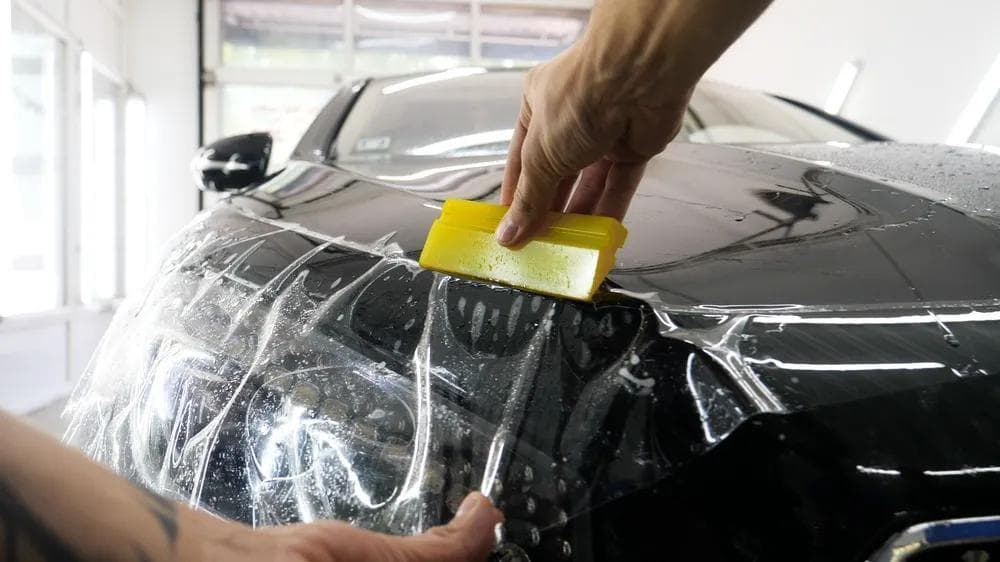
For owners who invest in detailing, ceramic coating, paint protection film, peelable paint, rim restoration, or luxury vehicle care, poor towing can create avoidable damage. Scratched bumpers, strap marks, swirl marks, scraped side skirts, rim damage, and underbody contact can all happen when a vehicle is loaded or secured carelessly.
This is especially important in Dubai because road usage is high and the environment is tough on vehicles. The Government of Dubai Media Office reported that the number of vehicles in Dubai during daytime hours has reached 3.5 million, while registered vehicles increased by 10% over two years, compared with a global average of 2% to 4%. Dubai’s hot climate also adds pressure to car paint, with Visit Dubai noting that a typical July day can reach an average high of 40°C.
When your car needs emergency towing, the way it is handled can make the difference between a safe recovery and an expensive cosmetic repair.
Why Paint Protection Matters During Emergency Towing
Modern car paint is thinner and more delicate than many drivers realize. DeFelsko explains that factory automotive clear coat is commonly around 35–50 microns thick. This clear coat is the outer protective layer that gives paint its gloss and shields the colour coat underneath, but it can be scratched easily.
During towing, paint damage usually happens because of:
- Dirty straps rubbing against painted panels
- Metal hooks touching bumpers, grilles, or wheels
- Dust or sand being wiped across the surface
- Poor ramp angles scraping low bumpers or side skirts
- Cables, tools, or jump-start equipment resting on the bodywork
- Rushed loading in traffic or roadside heat
Dubai’s dust, sand, and heat make these risks more serious. Peel Master’s car cleaning guidance notes that Dubai’s environment demands more than a simple wash because dust, heat, and daily use leave visible marks and hidden dirt; their process begins with pressure rinsing to remove sand, dust, and grime before using pH-balanced, paint-safe products and microfiber mitts to reduce scratches and swirl marks.
Roadside Safety Comes First
Before thinking about the paint, protect yourself and your passengers. Roadside breakdowns are dangerous, especially on busy roads. The World Health Organization states that around 1.19 million people die each year in road traffic crashes worldwide, while 20 to 50 million more suffer non-fatal injuries.
Dubai has made major progress in road safety. RTA and Dubai Police reported a 2023 fatality rate of 1.6 deaths per 100,000 people, below the target of 2.0, making Dubai one of the better-performing cities globally in traffic safety. Still, a broken-down car on a busy road should always be treated as a serious situation.
If your vehicle breaks down:
- Turn on your hazard lights immediately.
- Move the vehicle away from traffic only if it is safe.
- Do not stand between your car and oncoming vehicles.
- Move passengers beyond the hard shoulder where possible.
- Place a reflective warning triangle at least 100 metres behind the vehicle.
- Call emergency services or roadside assistance if the situation requires it.
RoadSafetyUAE specifically recommends placing the warning triangle at least 100 metres behind the vehicle and keeping people away from the space between the broken-down car and oncoming traffic.
Choose Safe Recovery, Not Just Fast Towing
In an emergency, many drivers choose the first available tow truck. That may solve the immediate problem, but it can also increase the risk of paint or bodywork damage.
A careful recovery operator should consider:
- Vehicle ground clearance
- Tyre condition
- Whether the car rolls or starts
- Front bumper and side skirt height
- Wheel and rim sensitivity
- Existing accident damage
- Paint protection film, ceramic coating, or fresh detailing
- Safe strap and hook placement
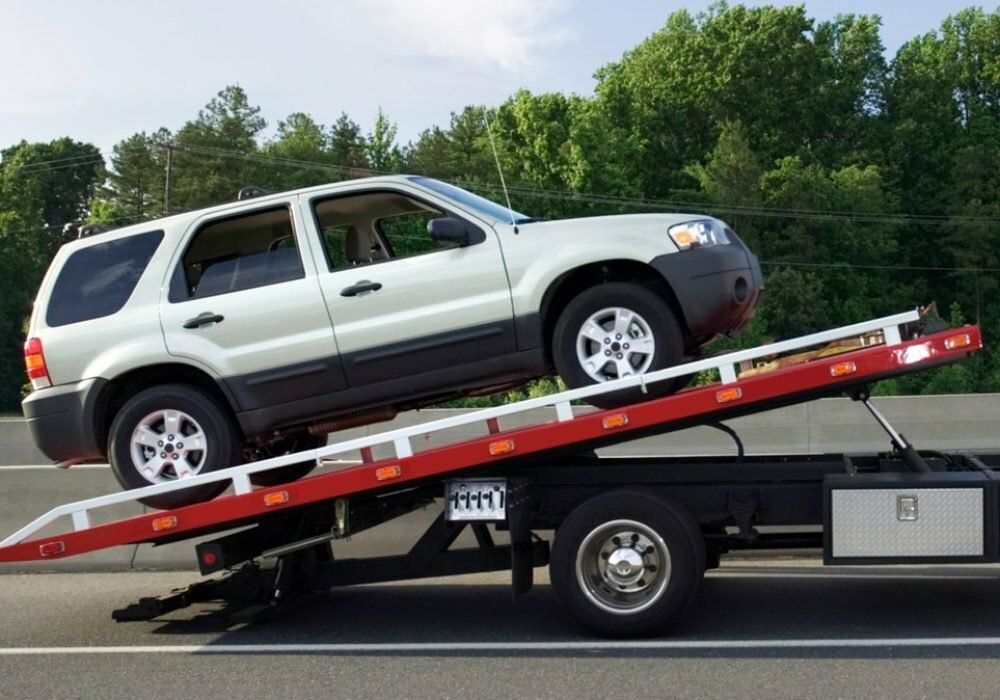
For cars that are detailed, coated, low-clearance, luxury, or accident-damaged, the recovery method matters. Recovery Near Me states that its Dubai car recovery service includes damage-free flatbed loading, secured transport, a 20-minute average response time, RTA-licensed operations, insurance-approved support, and 24/7 availability. Choosingprofessional car recovery in Dubai helps reduce the risk of rushed loading, poor securing, and unnecessary contact with sensitive paintwork.
Take Photos Before the Tow Truck Loads the Car
Before the car is moved, take quick photos and videos from every angle. This step only takes a few minutes, but it can protect you if there is a dispute later.
Capture:
- Front bumper
- Rear bumper
- Side skirts
- Bonnet and boot lid
- Doors and mirrors
- Wheels and rims
- Roof and pillars
- Any existing scratches or dents
- The vehicle’s roadside position
- The tow truck loading process, if possible
Photos create a condition record before recovery begins. This is especially useful for luxury cars, freshly detailed vehicles, ceramic-coated cars, and cars with expensive rims or paint protection film.
Never Wipe Dust or Sand With a Dry Cloth
Dubai dust may look harmless, but it can act like fine sandpaper when rubbed across the clear coat. This is one of the easiest ways to create swirl marks.
Avoid these common mistakes:
- Wiping the bonnet with your hand
- Using tissue paper on dusty paint
- Dragging a dry towel across the bumper
- Letting straps slide over dusty panels
- Placing bags, tools, or cables on the roof or boot
A safer approach is to avoid touching painted panels unless necessary. If a section must be cleaned, it should be rinsed properly and wiped with safe microfiber material. Peel Master’s process of pressure rinsing dust and grime before using microfiber mitts is a useful reminder that dust should be removed gently, not rubbed into the paint.
Watch Strap, Hook, and Winch Placement
Many towing-related scratches happen during loading and securing, not during the actual drive. A careless strap or hook can quickly leave visible marks.
Make sure straps and hooks are not placed on:
- Painted bumpers
- Plastic grilles
- Side skirts
- Spoilers
- Splitters
- Gloss-black trim
- Custom rims
- Weak suspension parts
- Non-approved tow points
For luxury and low-clearance vehicles, this becomes even more important. Recovery Near Me’s luxury recovery page explains that premium vehicles need special attention to clearance, finish, wheel protection, secure movement, soft tie-down methods, and careful loading procedures.
Be Extra Careful with Low-Clearance and Luxury Cars
Sports cars, supercars, modified vehicles, and premium sedans often sit closer to the ground. A steep ramp angle can scrape the front lip, underbody, exhaust, or side skirts.
Low-clearance vehicles need:
- A suitable flatbed or low-angle loading setup
- Slow and controlled movement
- Clearance checks before loading
- Wheel-focused securing methods
- Avoidance of bumper contact
- Careful unloading at the destination
Luxury vehicles also need calmer handling because small cosmetic damage can be expensive. A scratched rim, scraped carbon-fibre lip, or damaged painted bumper may cost far more than the towing service itself.
Avoid DIY Roadside Repairs That Can Scratch Paint
While waiting for towing support, many drivers try to inspect the car themselves. That is understandable, but roadside DIY work can easily scratch paint if done carelessly.
Avoid placing these items on painted panels:
- Jump starters
- Battery cables
- Tyre inflators
- Toolboxes
- Water bottles
- Keys
- Mobile phones
- Metal watches or rings
- Loose screws or caps
If the bonnet is open, do not lean over the fender with belts, zippers, watches, or tools touching the surface. Even light contact can leave marks if dust is already sitting on the paint.
Inspect the Car Immediately After Unloading
Once the car reaches your garage, workshop, home, or detailing centre, inspect it before the tow truck leaves. Use your phone flashlight if needed.
Check these areas carefully:
- Front bumper and lower lip
- Rear bumper
- Side skirts
- Wheel arches
- Rims and tyre edges
- Mirrors
- Door edges
- Strap contact points
- Undercarriage clearance areas
Look for new scuffs, strap rub, fresh scratches, or rim marks. Compare the car with the photos you took before loading. If you notice anything unusual, document it immediately.
Book a Safe Wash or Paint Inspection After Recovery
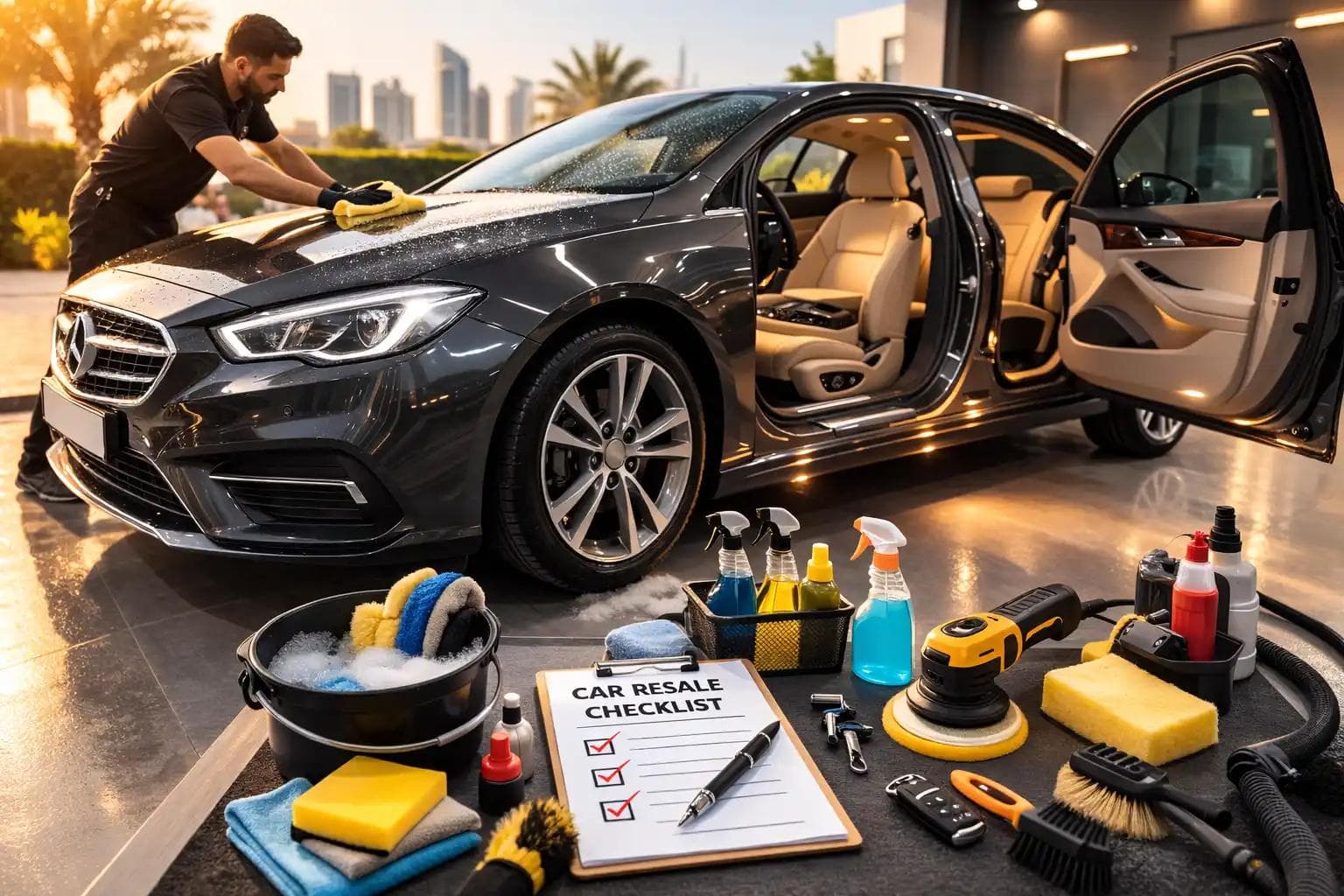
Even if the recovery looks damage-free, your car may still collect dust, road grime, strap residue, or grease during transport. A safe wash after towing helps remove contaminants before they bond to the paint or get rubbed in later.
A post-recovery inspection is especially useful if your car has:
- Ceramic coating
- Paint protection film
- Peelable paint
- Fresh polishing
- Restored rims
- Gloss-black trim
- Matte or satin finishes
- Luxury or custom paintwork
Professional detailing can identify light swirl marks, surface contamination, or minor strap marks early, before they become more difficult to correct.
Quick Checklist: How to Protect Paint During Emergency Towing
Before towing:
- Turn on hazard lights.
- Move to a safe place if possible.
- Place a warning triangle at least 100 metres behind the car.
- Take photos and videos of the vehicle.
- Tell the recovery operator if the car is low-clearance, coated, wrapped, or recently detailed.
During loading:
- Watch where straps and hooks are placed.
- Avoid contact with painted bumpers and side skirts.
- Make sure ramps are suitable for the car’s height.
- Do not let anyone wipe dusty paint with a dry cloth.
- Keep tools, cables, and equipment off painted panels.
After unloading:
- Inspect bumpers, rims, side skirts, and strap contact points.
- Compare the car with your pre-tow photos.
- Take new photos if you see damage.
- Wash the car safely after recovery.
- Book a detailing inspection if the car is coated, wrapped, or high value.
Final Thoughts
Emergency towing in Dubai is not only about moving a broken-down vehicle. It is also about protecting the driver, passengers, other road users, and the vehicle’s condition. With 3.5 million vehicles on Dubai’s roads during daytime hours and harsh summer temperatures that can reach around 40°C on a typical July day, breakdowns should be handled carefully from both a safety and car-care perspective.
The best way to protect your car’s paint during emergency towing is to stay safe, document the vehicle, avoid dry wiping, choose the right recovery method, watch strap placement, and inspect the car after unloading. For detailed, ceramic-coated, PPF-protected, low-clearance, or luxury cars, careful recovery is not just a convenience; it is part of protecting the car’s value and appearance.
FAQs
Can towing damage car paint?
Yes. Towing can damage paint if straps, hooks, winch cables, tools, or dirty hands come into contact with painted surfaces. The risk is higher when the car is dusty, low-clearance, freshly detailed, or poorly secured.
Is flatbed towing better for protecting paint?
Flatbed towing is usually safer for detailed, luxury, low-clearance, or non-starting vehicles because the car is loaded onto a platform and transported securely. This reduces dragging and helps protect the bodywork.
Why is Dubai’s weather tough on car paint?
Dubai’s heat, UV exposure, dust, sand, and road grime can affect the exterior finish over time. Visit Dubai notes that a typical July day can reach a maximum temperature of 40°C, which makes paint care and safe handling more important.
Should I wash my car after emergency towing?
Yes. A safe wash after towing helps remove dust, sand, road grime, grease, or strap residue. Avoid dry wiping because it can create swirl marks.
What should I do before the tow truck arrives?
Turn on hazard lights, move to a safe location, if possible, place a reflective triangle at least 100 metres behind the vehicle, keep passengers away from traffic, and take photos of the car before loading.
How can I prove that towing caused a scratch?
Take photos and videos before the vehicle is loaded, then inspect the car immediately after unloading. If new damage appears, compare it with your pre-tow photos and document it right away.
Are ceramic-coated cars safe during towing?
Yes, but they still need careful handling. Ceramic coating can help with protection, but it does not make the paint scratch-proof. Straps, hooks, dust, and dry wiping can still damage the surface.
What areas of the car are most at risk during towing?
The most vulnerable areas are the front bumper, lower lip, side skirts, rims, wheel arches, mirrors, rear bumper, and any area where straps or hooks are used.
Why does clear coat thickness matter?
The clear coat is the thin outer layer that protects the paint and gives it gloss. DeFelsko notes that automotive clear coat is often around 35–50 microns thick, so careless contact can scratch it more easily than many drivers expect.
When should I request specialist recovery instead of normal towing?
Specialist recovery is better if your car is luxury, low-clearance, modified, accident-damaged, non-starting, ceramic-coated, PPF-protected, freshly detailed, or fitted with expensive rims.